

ACL Injuries in Dogs: Surgery Options, Recovery, and What to Expect
You know your dog better than anyone, and when you notice them doing the “hop” when they walk or trying to avoid putting weight on a back leg, it’s natural to feel worried about what’s going on. Whether your playful canine ran a little too hard chasing a squirrel or simply took a wrong step while maneuvering around the house, a torn Cranial Cruciate Ligament, or CCL, can disrupt all the fun activities you enjoy together. When a key ligament in a dog’s knee is injured, it can cause instability and pain, which sometimes requires surgery to heal and return your dog to their normal zoomie-filled life. Orthopedic decisions can feel overwhelming, and sorting through options is a lot to take in.
When surgery is on the table for a CCL injury, two common procedures often come up: TPLO and extracapsular repairs. These procedures help stabilize the knee, and understanding the differences between them is the first step toward making a confident choice for your dog’s recovery. At Advanced Veterinary Medical Center in Milpitas, California, we provide advanced care with exceptional love, partnering with local board-certified orthopedic surgeons right in-house to offer TPLO and other complex repairs. From careful diagnostics to personalized pain control, our surgery team supports you and your dog through every step, and you can always request an appointment to get started.
CCL Injuries in Dogs: What They Are and Why They Happen
What causes a CCL tear in dogs?
A CCL tear is a partial or complete injury to the ligament that stabilizes the knee, leading to wobble, pain, and reduced mobility. The instability lets the shin bone slide forward on the thigh bone, which irritates the joint and can spark early arthritis. Most tears happen during everyday life rather than dramatic collisions, and they can develop gradually before one wrong step makes symptoms obvious.
Common contributors include:
- Sudden pivoting or twisting motions during play or on slippery surfaces
- Breeds with higher risk due to anatomy or activity level, such as Labrador Retrievers and Rottweilers
- Obesity, weekend-warrior exercise routines, or prior knee strain
For many dogs, keeping weight steady and muscle strong lowers risk, and our wellness and prevention visits can include tailored nutrition and activity plans that support safer movement year-round.
Which Dogs Are Most at Risk?
CCL injuries can happen to any dog, but certain factors make some dogs significantly more prone than others.
Breed predispositions play a real role. Large and giant breeds like Labrador Retrievers, Golden Retrievers, Rottweilers, German Shepherds, and Newfoundlands are diagnosed more frequently, partly because of the greater forces their body weight places on the knee joint. Some medium breeds are also overrepresented, including Pit Bull types, Staffordshire Terriers, and Bichon Frises. Research suggests that genetics influence ligament structure and durability in certain breeds, meaning some dogs are simply born with ligaments that are more vulnerable to gradual breakdown.
Age is another important factor. While CCL tears can occur at any age, they are most commonly diagnosed in middle-aged dogs between four and eight years old. In younger dogs, tears are more often associated with high-impact activity or trauma. In older dogs, the ligament has typically been weakening over time, and what looks like a sudden injury is often the final step in a long, gradual process.
Weight matters more than many owners realize. Overweight and obese dogs place significantly more stress on their knee joints with every step, every jump, and every turn. That extra load accelerates ligament wear and makes both partial and complete tears more likely. Maintaining a lean body condition is one of the most effective things you can do to protect your dog’s knees, especially if they are already in a higher-risk breed or age group.
Spay and neuter status is also part of the conversation. Some studies suggest that dogs spayed or neutered at a very young age may have a slightly higher risk of CCL injury, possibly related to the effect of hormones on joint and ligament development. This does not mean spaying or neutering is harmful. It simply means the timing is worth discussing with your veterinarian as part of a broader health plan.
Why Does the Other Knee Often Tear Too?
This is one of the things that catches many dog owners off guard. Studies estimate that 40 to 60 percent of dogs who tear one CCL will eventually tear the other, often within one to two years of the first injury.
There are several reasons this happens. The same underlying factors that weakened the first ligament, such as genetics, conformation, weight, and age, are affecting the other knee at the same time. The ligament in the opposite knee has likely been degenerating at a similar pace, and it may already be partially compromised by the time the first one gives way.
On top of that, a dog compensating for a painful or surgically repaired knee shifts more weight onto the opposite leg. That increased load accelerates wear on a ligament that was already vulnerable. This is why post-surgical rehabilitation, weight management, and controlled return to activity matter so much. Protecting the opposite knee is a key part of the recovery conversation, not an afterthought.
If your dog has torn one CCL, our team monitors both knees during follow-up visits so we can catch early changes and intervene before a second tear becomes a second surgery.
Torn ACL Symptoms in Dogs: Signs You Can Spot Early
How do you know if your dog’s CCL is injured?
Most dogs show a limp that gets worse after activity, and many toe-touch the ground rather than fully bearing weight. Some struggle to jump into the car, hesitate on stairs, or stiffen after resting. Knee swelling may be visible, and you might notice your dog sitting with the leg slightly out to the side to avoid discomfort.
Watch for:
- Hind-limb lameness that worsens after exercise
- Difficulty rising from rest or reluctance to jump into the car
- Visible knee swelling or stiffness, plus occasional toe-touching gait
These patterns can help you sort through possibilities. When you notice any of the above, timely imaging gives clear answers, and our diagnostics services use digital X-rays and ultrasound to evaluate joints and rule out other causes quickly.
How Vets Confirm a CCL Tear: Exams and Imaging
What tests and scans are used to diagnose a torn ACL in dogs?
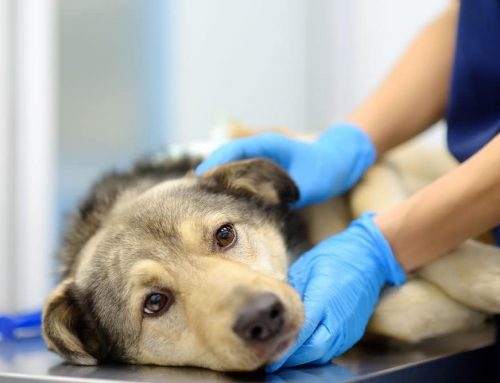
Veterinarians confirm CCL tears through a combination of orthopedic exams and imaging. Hands-on tests assess whether the tibia can shift forward or the knee feels unstable under gentle pressure. X-rays don’t show ligaments directly, but they reveal secondary changes like swelling, small bone spurs, or alignment issues and help guide safe surgical planning.
Here’s what typically happens during diagnosis:
- Orthopedic palpation tests to assess joint stability
- X-rays to evaluate bone alignment and secondary changes
- MRI for complex cases or to visualize soft tissue detail when needed
At AVMC, our in-house digital X-ray, ultrasound, and laboratory services streamline the process, and our team coordinates quick results so you aren’t left waiting and worrying.
Treatment Options: TPLO, TTA, and Extracapsular Repairs
Which ACL surgery is best for your dog?
The best surgical approach depends on your dog’s size, activity level, age, and any other orthopedic or medical factors. All three common procedures aim to stabilize the knee and reduce arthritis progression, but they do it differently.
TPLO (Tibial Plateau Leveling Osteotomy)
TPLO adjusts the angle of the tibial plateau to prevent forward slide during movement, making the knee stable without relying on the torn ligament. It is one of the most widely performed and well-studied CCL surgeries, and many surgeons recommend it for larger, athletic dogs because it provides strong, reliable stability under load. Recovery involves a controlled 12-week timeline, with most dogs returning to full activity once recheck exams confirm healing.
TTA (Tibial Tuberosity Advancement)
TTA takes a different approach to the same goal. Instead of changing the angle of the tibial plateau, TTA advances the front of the tibia (the tibial tuberosity) forward, which changes the forces acting on the knee so the joint becomes stable during weight-bearing without a functional CCL. A small bone cut is made, the bone is repositioned, and a spacer and plate hold everything in place while it heals.
TTA is sometimes preferred for dogs whose tibial plateau angle is already relatively steep, and some surgeons favor it because the bone cut may be slightly less invasive than TPLO in certain cases. Recovery timelines are similar to TPLO, and outcomes for appropriately selected patients are comparable. Your surgeon will evaluate your dog’s X-rays and knee geometry to determine which procedure offers the best biomechanical result.
Extracapsular Repair
An extracapsular repair uses a strong suture placed outside the joint to mimic the ligament’s function. It does not involve cutting bone, which makes it a less invasive option. It is often suited to smaller dogs (typically under about 30 to 40 pounds) or lower-activity dogs whose knees do not bear the same forces as a large, athletic dog. Recovery can be somewhat shorter, though activity restriction is still essential in the early weeks.
At AVMC, orthopedic procedures are performed in-house by local board-certified specialists, with dedicated anesthesia monitoring, pre-op blood screening, and tailored pain management provided by our surgery team. We discuss your dog’s daily routine, future goals, and any concurrent issues to recommend a plan that fits your life and your dog’s comfort.
Crate Rest and Rehab: Why Controlled Rest and Recovery Helps Healing After Surgery
Crate rest gives the surgical site a chance to settle and the repair a chance to strengthen without sudden movements. The first weeks are about calm routines, safe transfers, and thoughtful enrichment. The goal is not to keep your dog bored, but to keep activity predictable and gentle. Limiting stairs and jumping, creating safe zones with gates or playpens, and rotating enrichment like puzzle feeders, snuffle mats, and short training sessions can make rest both protective and engaging.
Our team is available for guidance on calming cues, safe handling, and enrichment ideas that match your dog’s temperament.
Rehabilitation and Recovery: What the First Weeks Look Like
Rehabilitation is a critical part of the recovery process. It protects the repair, rebuilds muscle, and brings back strong, confident movement. Early recovery usually starts with short, controlled leash walks and gentle range-of-motion exercises, increasing gradually based on comfort and veterinary guidance. Many dogs benefit from professional modalities that reduce pain and speed healing. Guided physical therapy and progressive home exercises set the pace. Hydrotherapy and laser therapy can complement strengthening as mobility improves.
Our clinicians create clear home plans, coordinate local referrals, and fine-tune pain control to match your dog’s needs through urgent care follow-ups when questions arise.
At-Home Care: Keeping Joints Comfortable
How can you protect your dog’s knees during recovery and beyond?
Consistent routines matter more than intensity. Keep surfaces non-slip, ramp up activity gradually, and use a leash for controlled exercise until your veterinary team clears off-leash play. A healthy weight reduces joint strain, and simple warm-ups before fun reduce awkward pivots that can trigger setbacks.
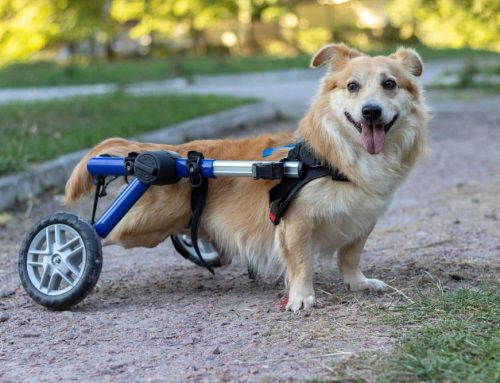
Supportive gear can also make a real difference during recovery. A Rehab Lifting Harness helps you assist your dog on stairs, getting in and out of the car, and navigating slippery surfaces without putting strain on the healing knee. For dogs who need additional joint stability during the recovery period, a Rehab Pro Knee Protector provides targeted support and compression around the knee joint.
Practical steps:
- Start each outing with brief, gentle movement and end with easy cooldowns.
- Track progress in a notebook so you can spot patterns and adjust activity under veterinary guidance.
- Maintain a lean body weight and balanced nutrition to reduce load on healing knees.
Joint supplements containing omega-3 fatty acids, glucosamine, and chondroitin can support cartilage health and reduce inflammation throughout recovery and beyond. While supplements are not a replacement for surgical repair or veterinary pain management, they complement a broader joint care plan, and starting them early in recovery can support long-term comfort.
Our wellness team can help tailor diet, portions, and activity to your dog’s goals, and routine wellness and prevention visits keep joint health on track. For puppies and young adults, our wellness packages set a foundation for safe conditioning and proactive weight management.
What Happens if You Choose Not to Do Surgery?
This is a fair and important question, and there is no judgment in asking it. Not every family is in a position to pursue surgery, and some dogs have health conditions that make anesthesia risky. Understanding what to expect with conservative management helps you make an informed decision.
Can a CCL Tear Heal on Its Own?
Unfortunately, a torn CCL does not repair itself. Unlike some soft tissues that can scar down and regain partial function, the CCL does not regenerate once it is damaged. The knee remains unstable, and that instability drives ongoing problems.
What Does Conservative Management Look Like?
Conservative (non-surgical) management typically includes strict rest, weight management, anti-inflammatory pain medications, and physical therapy. Some very small dogs (under about 20 pounds) may regain acceptable function without surgery, especially if the tear is partial and the dog’s activity level is low. For these dogs, the scar tissue that forms around the joint can sometimes provide enough stability for comfortable daily movement.
For medium and large dogs, however, conservative management is much less likely to restore comfortable, reliable function. The knee continues to shift with every step, which causes progressive cartilage damage, chronic inflammation, and worsening arthritis. Many dogs managed conservatively develop a permanent limp, lose muscle mass in the affected leg, and become increasingly reluctant to exercise over time.
What Are the Long-Term Risks of Not Treating Surgically?
Without surgical stabilization, the unstable knee joint undergoes progressive damage. The meniscus, a cushioning pad inside the knee, is particularly vulnerable and can tear as a secondary injury, causing additional pain and further limiting mobility. Arthritis develops faster and more severely in unstable joints, and the chronic pain and altered gait increase the risk of injury to the opposite knee.
Dogs managed without surgery often need long-term pain medication, which requires regular monitoring for side effects, and their quality of life may decline as arthritis progresses. The goal is not to pressure anyone into surgery, but to make sure you understand the trade-offs so you can choose what is right for your dog and your family.
If surgery is not an option right now, our team can build a conservative management plan that maximizes your dog’s comfort, including pain control, weight optimization, targeted exercises, and regular rechecks to monitor how the knee is holding up.

FAQs
Is TPLO better than extracapsular repair? TPLO often provides stronger stability for larger or athletic dogs, while extracapsular repair can suit select smaller or lower-activity dogs. The “best” choice depends on size, lifestyle, knee anatomy, and any other health considerations. We’ll review imaging, exam findings, and your goals to recommend a plan that balances durability and recovery comfort.
How long is recovery after CCL surgery? Most dogs follow a 12-week recovery timeline, with the most restricted period in the first 4 to 6 weeks. Controlled leash walks start early and gradually increase as strength builds. Full return to off-leash activity happens only after recheck exams confirm stability.
Will my dog develop arthritis after a CCL tear? Any joint instability can lead to arthritis over time, but timely stabilization and steady weight control reduce that risk. Ongoing monitoring and home routines that protect joints make a meaningful difference. We set realistic expectations and build a plan that supports long-term comfort.
What is the difference between TPLO and TTA? Both are bone-cutting procedures that change the mechanics of the knee so it is stable without a functioning CCL. TPLO levels the tibial plateau; TTA advances the tibial tuberosity. Your surgeon will recommend the procedure that best matches your dog’s knee geometry and lifestyle.
Help Your Dog Heal With Expert Care
Early recognition, accurate diagnosis, and a well-chosen surgery are the foundation for a strong recovery. Add structured rehab, smart home routines, and steady weight control, and most dogs return to joyful, confident activity. Periodic rechecks help us adjust exercise and pain control as your dog ages, keeping comfort front and center.
At AVMC, we blend advanced orthopedic expertise with a calming, compassionate approach that keeps you informed and supported. If you’re seeing stiffness or limping, or ready to discuss surgical options, please contact us to talk through what’s best for your pet. Our team is here to help you make a clear, confident plan that fits your dog’s needs and your family’s routine.







Leave A Comment