

Common Pet Products That Cause Problems: A Vet’s Safety Guide
Picture this: you are wandering through the pet store, surrounded by aisles of colorful leashes, squeaky toys, and chews promising to keep your dog occupied for hours. Everything looks pretty harmless, maybe even fun. But here is something most pet owners do not realize until it is too late: some of the most popular products on those shelves can actually land your pet in the emergency room. From collars that injure necks to toys that cause intestinal blockages, knowing what to avoid is just as important as knowing what to buy.
The good news is that making safer choices does not have to be complicated once you know what to look for. At Advanced Veterinary Medical Center in Milpitas, California, we have seen our share of emergencies caused by equipment and products that seemed perfectly fine at first glance. Our team is always happy to talk through safer alternatives during wellness and prevention visits, and our urgent care services are here when accidents happen. If you have questions about any product you are considering, please request an appointment so we can help you make choices that keep your pet safe and happy.
Why Does Your Dog’s Body Language Matter When Choosing Equipment?
Before diving into specific products, it helps to understand how your dog communicates comfort and stress. The right walking gear and toys should work with your dog’s natural behavior, not against it. When equipment causes discomfort, dogs tell us through their body language, and learning to read those signals helps you make better choices.
Canine body language includes subtle cues like lip licking, yawning when not tired, stiff posture, and turning away. These are all ways dogs say “I’m not comfortable with this.” Understanding dog communication helps you spot problems early, before they escalate. The stress ladder shows how mild discomfort can build into bigger problems if the source of stress is not addressed.
Signs that equipment might be causing problems:
- Pulling harder or coughing after collar pressure
- Pawing at the neck, face, or harness
- Freezing, scanning the environment nervously, or refusing to walk
- Becoming reactive after seeing other pets or people
- Acting scared or hesitating to come when you put on a leash, collar, or harness
If your dog seems stressed during walks, we can help assess what is going on during a wellness visit and suggest equipment that might work better.
Why Do Veterinarians Recommend Reward-Based Training?
You might wonder why veterinary professionals care so much about training methods. The answer is simple: how you train affects your dog’s physical and emotional health, and the equipment you use plays a big role.
Positive training philosophy focuses on rewarding behaviors you want rather than punishing behaviors you do not. This approach builds trust, strengthens your bond, and actually creates longer-lasting results. Pain-free methods work because your dog wants to repeat behaviors that earn good things, not because they are afraid of what happens if they do not comply.
Which Training Devices Should You Avoid?
Prong Collars, Choke Chains, and Shock Collars
These devices work by causing discomfort or pain when your dog pulls or misbehaves. While they might seem to “work” in the short term, they often create bigger problems down the road.
Prong collars tighten with metal points around the neck when a dog pulls. The dangers of training collars include neck injuries, tracheal damage, and behavioral fallout like increased fear and reactivity. Position statements on aversive training methods from veterinary organizations explain why these tools raise serious welfare concerns.
Here is the thing many people do not realize: punishment-based tools can actually increase aggression in dogs by pairing pain with whatever the dog was looking at when the correction happened. So that shock when your dog barks at another dog? It might teach them that other dogs predict pain, making the problem worse.
These devices do not fix the underlying reason your dog pulls or reacts. They just suppress the behavior temporarily while potentially creating new problems.
What Is Wrong with Retractable Leashes?
Retractable leashes seem convenient. Your dog gets more freedom to sniff, and you do not have to hold yards of loose leash. But veterinarians recommend against retractable leashes for several important reasons.
The problems with retractable leashes include:
- Thin cords that can cause severe burns or cuts if they wrap around legs (yours or your dog’s)
- Minimal control in emergencies when you need to quickly reel your dog in
- Bulky handles that are easy to drop, which then chase your dog as it retracts (terrifying)
- Mechanical failures that happen without warning
- Teaching dogs that pulling extends their range, which reinforces the exact behavior you do not want
Busy sidewalks, parking lots, and veterinary clinics are especially risky places for retractable leashes. When quick control matters, these leashes simply cannot deliver. We ask clients to use standard leashes at our hospital for everyone’s safety.
What Walking Equipment Actually Works?
Collars That Keep Your Dog Safe
Flat collars are great for holding ID tags and for dogs who walk calmly without pulling. Choosing the right collar means finding one that fits snugly but comfortably. You should be able to slide two fingers underneath. Martingale collars work well for dogs with narrow heads who might slip out of a regular collar; they tighten slightly to prevent escape without the choking action of a slip collar.
Harnesses for Pullers and Small Dogs
Harnesses and head halters can be used when more control is needed, but they need to be used correctly. Harnesses distribute pressure across the chest and shoulders instead of the neck, which is especially important for dogs who pull, have respiratory issues, or are prone to tracheal collapse. Front-clip harnesses gently redirect pulling by turning your dog toward you. Back-clip styles work well for dogs who already walk nicely but will give dogs who pull even more leverage. Make sure the harness fits properly: snug but not tight, with no rubbing behind the elbows. Introduce it gradually with treats so your dog learns to love putting it on.
Head halters can work great for dogs who pull, but can cause injury if used incorrectly. They shouldn’t be used with long lines if your dog can run and then is forced to a sudden stop, as the pressure is applied to your dog’s head- causing neck injuries with jerks and forceful pulls. When walking, pulling on the leash tucks your dog’s nose downward, preventing them from putting their full weight into pulling you where they want to go. Head halters can be a great tool to use while you are teaching your dog proper loose-leash walking skills, but it’s not a replacement for training.
The Right Leash Makes a Difference
A standard four to six foot leash gives you control while still allowing your dog room to explore. Walking nicely on leash becomes much easier with a consistent length that helps your dog understand boundaries.
For training recall in open spaces, long line training uses 15 to 30 foot lines that give freedom while maintaining connection. Unlike retractable leashes, long lines let you step on the line if needed and do not reward pulling with more length. Use them in secure, open areas away from traffic.
Which Toys Land Pets in the Emergency Room?
Toys can be just as problematic as equipment. We regularly see emergencies caused by products that seemed perfectly safe.
Common toy dangers include:
- Toys that are too small, which can be swallowed or lodged in the throat
- Rope toys with strings that get ingested and cause intestinal blockages
- Squeakers that can be removed and swallowed
- Tennis balls that wear down teeth with their abrasive covering (and can compress and block airways in large dogs)
- Hard plastic toys that crack teeth when chewed aggressively
The rule of thumb: if a toy is smaller than the space between your dog’s back teeth, it is a choking hazard. Supervise play with any toy that has removable parts, and retire toys once they show significant wear.
Which Chews Are Actually Dangerous?
This one surprises a lot of people. Many “natural” chews that seem healthy are actually high-risk items we see causing problems regularly.
Potential dangers of popular dog chews include splintering, intestinal blockages, and broken teeth. The list of dangerous chews to avoid includes:
- Bones (they splinter into sharp pieces or can block intestines)
- Rawhide (swelling and blockage risks)
- Antlers and hooves (dental fractures)
- Hard nylon bones (tooth damage)
- Bully sticks that are too small for your dog’s size (blockages)
The “thumbnail test” helps: if you cannot make an indent with your thumbnail, the chew is probably too hard and risks cracking teeth. Treating a fractured tooth or removing an intestinal blockage costs far more than choosing safer products from the start.
What Are Safer Alternatives for Toys and Chews?
Durable rubber toys designed for aggressive chewers hold up well and can be stuffed with treats for added enrichment. Safe chew toys should be appropriately sized for your dog and soft enough to pass the thumbnail test.
Smart shopping tips:
- Match toy and chew size to your dog (when in doubt, go bigger)
- Choose items designed for your dog’s chewing style
- Rotate toys to keep things interesting
- Supervise new chews until you know how your dog handles them
- Replace worn items before they become hazards
When Does Muzzle Training Make Sense?
Basket muzzles often get a bad reputation, but they are actually valuable safety tools when introduced properly. Basket muzzle training involves gradual, positive conditioning so your dog learns to feel comfortable wearing one.
Basket muzzles (not the tight cloth kind) allow panting, drinking, and even taking treats. They can reduce stress during veterinary visits or grooming for dogs who get nervous, protect everyone during introductions to new situations, and give you peace of mind in unpredictable environments. They are a great tool for pets who like to eat everything in sight- like that piece of pizza in the middle of the road, your remote control, or your dirty laundry- preventing foreign body surgeries, pancreatitis, and other health issues.
They are great for training in situations where you aren’t quite sure what’s going to happen- like if you’re trying to train your dog to meet new dogs or people, and they have a history of fear reactivity. If you use negative reinforcement- like prongs, choke-collars, or e-collars- you risk adding more negativity to the situation and increasing the risk of aggressive behavior. By using a basket muzzle, you can continue to use positive reinforcement methods and safe tools, without the fear of someone getting hurt if your pet does exceed their threshold.
The key is making muzzle time positive from the start. Practice at home with treats so it becomes no big deal before you actually need to use it. Avoid using tight cloth muzzles; they prevent normal breathing and drinking, and can very quickly cause overheating, respiratory distress, dehydration, and panic.
How Do You Transition to Safer Products?
Switching from familiar equipment or beloved (but dangerous) toys can take patience. Here is a realistic approach:
- Choose your new equipment and let your dog sniff and explore it with treats
- Practice short sessions indoors before heading outside
- Pair new gear with rewards and keep early outings brief and positive
- Expect an adjustment period and stay consistent
- Phase out dangerous toys gradually while introducing safer alternatives
If your dog has existing behavioral challenges like pulling or reactivity, addressing those alongside equipment changes leads to better results. Sometimes what looks like an equipment problem is actually a training opportunity.

When Should You Call About Equipment or Product Concerns?
Contact us if you notice:
- Coughing, gagging, or noisy breathing after using any collar or harness
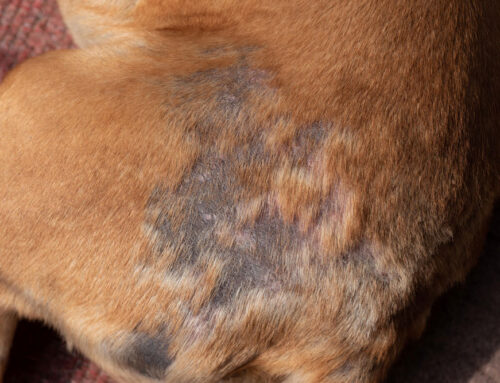
- Skin irritation, hair loss, or sores where equipment touches
- Sudden behavior changes like new fear of the leash or increased reactivity
- Any signs your dog may have swallowed toy parts or chew pieces
- Broken teeth, drooling, or pawing at the mouth after chewing
Our diagnostics team can evaluate injuries, and our surgery services handle emergencies when they arise. But prevention is always easier than treatment.
Your Partner in Keeping Your Pet Safe
Safe equipment, appropriate toys, and proper chews protect your pet’s physical health, support positive behavior, and help you avoid stressful (and expensive) emergencies. The choices you make at the pet store really do matter.
Our team at Advanced Veterinary Medical Center is always happy to discuss product recommendations during wellness visits. We can help with fitting harnesses, suggesting appropriate chews, and troubleshooting walking challenges. New puppy at home? Our puppy 101 resources and puppy packages set you up with safe choices from the start.
Have questions about a product you are considering? Please contact us or request an appointment to get personalized guidance. We are here to help you make every walk, every play session, and every chew time safer and more enjoyable.








Leave A Comment