

Travel Risks for Pets: Diseases to Watch For on the Road
You’ve planned the perfect trip: the gear is packed, the route is set, and your pet is ready to join the adventure. But as you hit the road, do you ever worry about what invisible risks might be waiting for them? Taking your dog on a camping trip or flying with your cat exposes them to new environments- and potentially new diseases. It’s hard to know if that beautiful stream or remote trail could introduce parasites or infections you are unprepared for. Understanding what your pet could encounter, from region-specific illnesses to fungal dangers, is essential for safe, healthy travels and peace of mind.
Advanced Veterinary Medical Center is here to help you prep for your adventures- from cross country moves to visiting the in-laws for the holidays. Schedule a wellness consultation today to be sure your pet is covered for whatever your travel might bring.
Keeping Pets Healthy and Comfortable During Travel
Whether you’re heading to the coast or crossing state lines, travel introduces pets to unfamiliar microorganisms and stressors that can affect their health. Shared rest areas, new climates, and increased contact with other animals make it easy for contagious illnesses to spread. Pets may seem fine during the trip, only to develop symptoms days later once stress lowers their immunity.
Before hitting the road, scheduling a wellness visit ensures your pet’s vaccines and parasite prevention are current. Wellness and preventive care visits also give the veterinary team a chance to review your destination, suggest region-specific safeguards, and confirm your pet is healthy enough for travel. If you’re preparing for a long trip or boarding stay, contact Advanced Veterinary Medical Center early to plan ahead.
Why Travel Increases Health Risks for Pets
New environments can challenge even the healthiest animals. Temperature changes, new bacteria, and stress from travel can all reduce immune function. Elevated cortisol from stress weakens your pet’s ability to fight off pathogens. Hot weather increases the danger of heat exhaustion, while freezing climates contribute to winter illnesses such as respiratory infections and frostbite.
Motion sickness and anxiety are also common. Some pets drool, vomit, or tremble during rides. Car sickness can often be managed through medication or gradual desensitization, while cat carrier training helps feline travelers feel more secure. If your pet struggles with travel anxiety or nausea in the car, talk to our team about calming and car sickness options.
Infectious Respiratory Diseases Linked to Travel
Boarding facilities, hotels, airports, and busy parks can all expose pets to airborne pathogens. Dogs are especially at risk for kennel cough and the broader canine infectious respiratory disease complex, which spread through coughing and close contact. Signs include a hacking cough, nasal discharge, fatigue, and decreased appetite.
Cats can also experience respiratory flare-ups during travel. Stress weakens their defenses, triggering viral feline upper respiratory infection or inflammation-related feline idiopathic cystitis. In males, urinary blockage can become life-threatening within hours.
If your pet returns from a trip with coughing, sneezing, or changes in urination, schedule a prompt exam. Advanced Veterinary Medical Center’s diagnostic services provide in-house testing and imaging to identify infections quickly and begin treatment.
Vector-Borne and Parasitic Threats During Travel
Ticks, fleas, and mosquitoes transmit many of the most serious travel-related diseases. Lyme disease, ehrlichiosis, and anaplasmosis are carried by ticks and can cause fever, lameness, and joint swelling.
Mosquitoes spread heartworm disease, which remains a year-round concern in many regions. The heartworm prevalence map highlights areas with ongoing risk. Effective tick prevention and year-round parasite control are essential for every traveling pet. Giardia is another concern, especially when pets drink from natural water sources. Giardia causes diarrhea, dehydration, and fatigue, and is transmissible between pets.
Before each trip, review your pet’s parasite prevention plan during their wellness visit. Our team can adjust products based on your travel destination, environment, and exposure risk.
Environmental and Regional Hazards That Affect Traveling Pets

Different regions pose unique environmental dangers. In California and across the western U.S., foxtails are a serious threat. These barbed seed awns can burrow into a pet’s ears, nose, eyes, or paws, leading to abscesses or internal migration.
If you’re traveling during warmer months, follow heat safety tips to prevent overheating. Always provide shade, cool water, and frequent breaks. For winter trips, keep pets warm, limit exposure to cold surfaces, and watch for shivering or paw irritation from salt or ice melt.
Waterborne risks such as blue-green algae exposure can cause vomiting, seizures, or even liver failure. Standing water may also harbor leptospirosis, a bacterial infection transmitted through contaminated urine that can affect both pets and people.
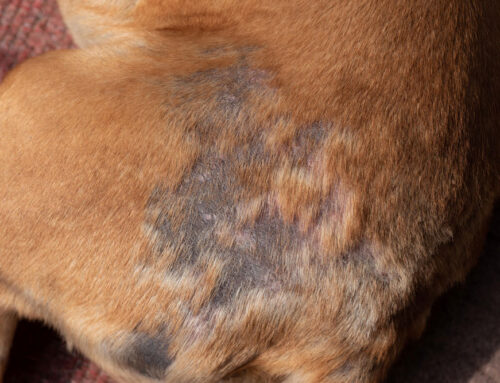
In wooded or damp areas in the Midwest, blastomycosis is another concern. Pets inhale fungal spores, developing coughing, fever, or skin lesions weeks later. If you notice persistent respiratory or skin changes after a trip, contact our diagnostic team for prompt testing.
Pre-Travel Veterinary Preparation and Prevention
Prevention begins long before the suitcase is packed. A pre-travel exam gives your veterinarian a chance to confirm that vaccines, medications, and parasite control are up to date. This visit also allows discussion of motion sickness solutions, carrier acclimation, and any dietary adjustments for the journey.
If you’re traveling across state lines or abroad, review pet travel requirements early, as some destinations need documentation or specific tests completed weeks ahead.
Schedule your visit through our appointment request page to ensure your pet’s records, preventives, and wellness checks are ready well before departure.
Safe, Low-Stress Travel Practices on the Road
Once you’re on the road, comfort and safety are key. Use a well-ventilated carrier or secured harness, pack familiar bedding, and keep food and water easily accessible. Avoid feeding large meals right before travel, and plan for frequent rest stops so pets can stretch and relieve themselves.
Monitor behavior- panting, drooling, or restlessness may signal stress or overheating. Keep car interiors cool and never leave your pet unattended in a parked vehicle, even briefly.
If you’d like personalized guidance for stress-free travel, the Advanced Veterinary Medical Center team can help create a customized plan for your pet’s next adventure.
Post-Travel Monitoring and Early Diagnostics
Illnesses related to travel don’t always appear immediately. After returning home, watch for coughing, sneezing, lethargy, vomiting, diarrhea, appetite loss, or skin irritation. Subtle changes in behavior- such as hiding, frequent urination, or excessive scratching- can also signal infection or irritation.
Our diagnostic services include laboratory testing, digital imaging, and ultrasound to detect underlying issues early. Even if symptoms seem minor, timely evaluation can prevent complications and keep recovery short and smooth.
Preparing for Safe Adventures Ahead
Traveling with pets brings joy and unforgettable memories, but it also requires preparation and awareness. From parasites and respiratory infections to regional hazards, many risks can be avoided with preventive care and early diagnostics.
At Advanced Veterinary Medical Center, we’re here to help you plan every trip with confidence. Schedule your pet’s pre- or post-travel exam today to ensure their journey is as safe, comfortable, and healthy as possible.







Leave A Comment