

Why Cats Meow: When Talking Turns Into a Sign of Trouble
Some cats are chatty by nature, but sudden or excessive meowing can signal stress, hunger, or medical problems. Understanding what your cat’s voice is telling you helps uncover whether they’re seeking attention- or relief from discomfort.
At Advanced Veterinary Medical Center, our team combines clinical expertise with genuine compassion to help cats and their families find answers. Whether your cat needs routine wellness care or urgent evaluation, we’re here to provide the advanced diagnostics and personalized attention that restore peace to your household.
Cat Vocalization: What’s Normal and What’s Not
Cats communicate through meows, chirps, trills, and yowls, each serving a different purpose. Some breeds, like Siamese and Oriental cats, are naturally vocal and may “talk” throughout the day. Others remain relatively quiet, reserving their voice for specific requests like food or access to a favorite room.
Understanding your cat’s baseline vocalization helps you recognize when something changes. A normally quiet cat that suddenly becomes chatty or a talkative cat that begins vocalizing with urgency or distress may be telling you something important.
When Meowing Becomes a Concern
Excessive meowing refers to vocalization that’s persistent, distressed, or disruptive to daily life. Common cat behavior issues often involve communication changes that signal underlying problems.
Watch for these red flags:
- Sudden increases in frequency or intensity
- Meows that sound painful, desperate, or panicked
- Nighttime crying that disrupts sleep
- Vocalizations that don’t respond to attention, food, or comfort
When meowing shifts from communication to distress, it’s time to investigate the cause.
Medical Reasons Behind Excessive Vocalization
Many health conditions cause cats to vocalize more frequently or urgently. Because cats instinctively hide pain and illness, increased meowing may be one of the few outward signs that something is wrong.
Signs of Pain and Physical Discomfort in Cats
Pain is one of the most common medical causes of excessive meowing. Cats may cry when moving, being touched, or using the litter box.
- Arthritis causes chronic joint pain that worsens with age, making jumping, climbing, or settling into favorite spots uncomfortable.
- Dental disease is another frequent culprit. Fractured teeth, gum infections, and resorptive lesions cause significant oral pain that makes eating and grooming difficult.
- Urinary blockages are life-threatening emergencies that cause cats to cry in the litter box or vocalize urgently when trying to urinate.
- Gastrointestinal discomfort from constipation, inflammatory bowel disease, or pancreatitis can also trigger excessive meowing.
Recognizing common pet pain signs helps you identify when your cat needs immediate veterinary attention.
Thyroid and Metabolic Disorders in Cats
Hyperthyroidism is one of the most common endocrine diseases in older cats. The thyroid gland produces excessive hormones, speeding up metabolism and causing restlessness, increased appetite, weight loss, and frequent vocalization. Cats with hyperthyroidism often meow more at night and seem unable to settle.
Diagnosis requires bloodwork to measure thyroid hormone levels. Treatment options include medication, radioactive iodine therapy, or dietary management, all of which can significantly reduce vocalization and restore quality of life.
High Blood Pressure and Neurological Changes in Cats
Feline hypertension often develops secondary to kidney disease or hyperthyroidism. Elevated blood pressure affects the brain, eyes, and kidneys, causing disorientation, vision changes, and restlessness. Cats with hypertension may vocalize more frequently, especially at night, and appear confused or anxious.
Our diagnostic capabilities include blood pressure monitoring and comprehensive bloodwork to identify underlying causes and guide treatment.
Vision and Hearing Loss in Cats
Sensory decline changes how cats navigate their world. Vision problems from cataracts, glaucoma, or retinal disease cause disorientation and anxiety. Hearing loss makes cats feel isolated, prompting them to vocalize louder to locate family members or express distress.
Cats with sensory impairments benefit from environmental modifications, consistent routines, and gentle reassurance.
Cognitive Dysfunction in Senior Cats
Aging affects the feline brain just as it does in people. Cognitive dysfunction causes confusion, disorientation, and changes in sleep-wake cycles. Senior cats may wander aimlessly, vocalize at night, or seem to forget where they are. Cognitive decline progresses gradually but significantly impacts quality of life for both cats and their families.
While cognitive dysfunction can’t be reversed, environmental enrichment, dietary supplements, and medication can slow progression and reduce nighttime vocalization.
Neurological Conditions in Cats
Though less common, brain tumors can alter personality, cause seizures, or trigger behavioral changes including excessive meowing. Neurological symptoms often develop gradually and may include head pressing, circling, or sudden aggression alongside vocalization changes.
Advanced imaging helps diagnose neurological conditions and determine appropriate treatment options.
Behavioral and Environmental Triggers in Cats
When medical causes are ruled out, behavioral and environmental factors often explain excessive meowing. Cats are creatures of habit, and disruptions to their routine or environment can trigger vocal protests.
Stress and Anxiety in Cats
Cats are sensitive to change. Moving to a new home, introducing new pets, or altering daily routines can cause significant stress. Multi-cat households may experience territorial disputes that lead to increased vocalization. Addressing tension among cats requires patience, environmental modifications, and sometimes behavioral intervention.
Our team understands the unique stressors cats face and can help you create a calming environment that reduces anxiety-driven vocalization.
Boredom and Lack of Enrichment in Cats
Indoor cats need mental and physical stimulation to stay content. Without appropriate outlets, they may meow excessively to express frustration or demand attention. DIY enrichment toys provide mental challenges, while hunting toys satisfy natural predatory instincts.
Creating an improved indoor environment with vertical spaces, window perches, and interactive play reduces boredom and decreases attention-seeking vocalization.
Outdoor Access Requests
Cats accustomed to outdoor access or those with strong prey drives may vocalize persistently at doors and windows. While outdoor access poses significant risks, safer alternatives exist. Catios provide secure outdoor experiences, and harness-and-leash walks allow supervised exploration.

Finding Solutions for Your Cat Through Veterinary Care
Determining why your cat meows excessively starts with a thorough veterinary examination. Our approach combines physical assessment, diagnostic testing, and behavioral evaluation to uncover the root cause.
Comprehensive Medical Evaluation for Your Cat
A complete physical exam checks for pain, dental disease, and organ dysfunction. Bloodwork evaluates thyroid function, kidney health, and metabolic status. When needed, our in-house diagnostics including digital X-ray and ultrasound provide immediate answers.
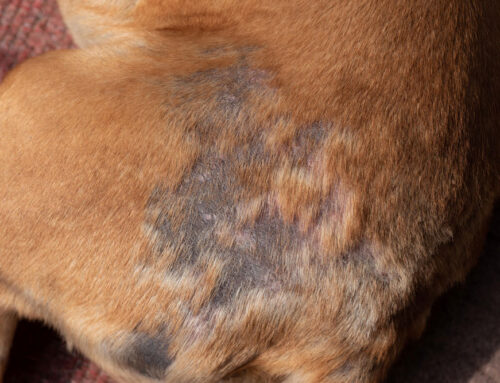
For cats with dermatology concerns that cause discomfort and vocalization, we offer specialized evaluation and treatment.
Behavior Modification Strategies for Your Cat
After ruling out medical causes, behavior modification can address excessive meowing. Cat training focuses on identifying triggers, modifying the environment, and using positive reinforcement to encourage quiet behavior.
Fixing cat behavior problems requires consistency and patience. Avoid reinforcing meowing by responding immediately to demands. Instead, reward quiet behavior and provide attention during calm moments.
Restoring Peace for You and Your Cat
Excessive meowing rarely resolves without intervention. Whether the cause is medical, behavioral, or environmental, understanding what your cat is trying to tell you is the first step toward finding relief.
At Advanced Veterinary Medical Center, we treat cats with the advanced care and exceptional love they deserve. Our employee-owned practice focuses on building trust and becoming part of your family.
If your cat’s vocalization has changed or become disruptive, request an appointment or contact us today. Together, we’ll uncover the cause and restore harmony to your household.








Leave A Comment