

The first dose of dewormer belongs at around two to three weeks of age, which means most puppies and kittens are due before they ever leave the breeder, shelter, or barn. That timing is deliberate: puppies can be born already carrying roundworms passed from their mother, and both puppies and kittens pick up more through nursing in their first days. Waiting for a pot belly, diarrhea, or visible worms means the infection is already well established. Repeat doses through the early months, confirmed with stool testing, clear out each new generation of parasites before it matures and starts shedding eggs.
At Advanced Veterinary Medical Center in Milpitas, deworming is built into the earliest visits rather than treated as an add-on. Our puppy wellness packages and matching kitten packages bundle the first three exams, vaccines, deworming, and fecal check that confirms which parasites we are treating into one easy price that can save you hundreds of dollars. If you have a new arrival at home, request an appointment and we will map out the milestones with you.
The Early Deworming Playbook
- Puppies and kittens are often infected with intestinal parasites before they ever come home, which is why the first dewormer is due at two to three weeks of age, well before any symptoms appear.
- One dose only clears the adult worms present that day, so puppies and kittens need repeated deworming every few weeks through the early months to catch each new wave as it matures.
- Not every parasite is a worm, and no single dewormer covers everything, so fecal testing is what tells us exactly what your pet is carrying.
- Year-round monthly prevention after the early series keeps heartworm and intestinal parasites from getting a foothold, and several of these parasites can spread to people too.
Why Do Infected Puppies and Kittens Usually Look Perfectly Healthy?
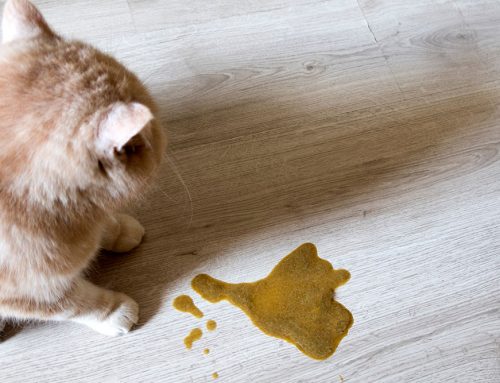
The tricky part about intestinal parasites in pets is that most infected puppies and kittens look completely healthy until the burden is already substantial. By the time a pot belly, a bout of diarrhea, or sluggish growth shows up, the worms have usually been feeding and shedding eggs for weeks.
The signs that do appear are easy to attribute to something else: intermittent soft stool, a dull coat, or slightly slower growth all get blamed on diet or a change in routine long before parasites come to mind. A kitten who seems a little round-bellied, a puppy who has one loose stool and then bounces back: these are exactly the moments that get waved off.
That is why our first-visit wellness packages build deworming and a fecal check into those earliest exams, so we are treating on a schedule instead of reacting to a problem that has already taken hold.
Why Isn’t One Dose of Dewormer Enough?
A single dose of dewormer clears the adult parasites living in the intestines that day, but it does nothing to the larvae still migrating through your pet’s muscle, liver, and lung tissue. Those immature stages keep developing, and within a couple of weeks a fresh crop of adults has moved into the gut.
Deworming is a sequence, not a one-time event, for two reasons. First, dormant larvae in a mother’s tissue reactivate during pregnancy and nursing, which is how so many newborns arrive already infected before their eyes are even open. Second, the world a young animal explores is full of eggs, so reinfection is constant. Each round of treatment clears what has matured since the last one, which is exactly why the doses are spaced out rather than given all at once.
Which Parasites Are We Actually Treating For?
Young puppies and kittens most often carry roundworms and hookworms, with whipworms, tapeworms, and the single-celled protozoa coccidia and giardia filling out the list. Which ones show up depends on your pet’s age, where they came from, and whether fleas are in the picture.
Roundworms and Hookworms
Because roundworms and hookworms can pass to a litter before birth and through nursing, many puppies and kittens are already infected in their first weeks of life, and the blood a hookworm consumes can push a tiny animal into life-threatening anemia. Roundworms are the ones most people picture: spaghetti-like worms that can turn up in stool or vomit, whose eggs survive in soil for years and make reinfection almost effortless.
Anemia from hookworms can come on fast in a very small patient. If your puppy or kitten develops pale gums, weakness, or sudden lethargy, call us right away; this is the kind of case we see through urgent care the same day, and after hours it belongs at the nearest veterinary ER.
Whipworms and Tapeworms
Whipworms are mostly a canine concern that rises with time spent outdoors, and they shed eggs so unevenly that a single fecal test can come back clear even when they are present. Tapeworms take a different route in, arriving when a pet swallows an infected flea during grooming, which means clearing the worms only sticks if the flea problem is handled at the same time. The classic clue is what looks like grains of rice around your pet’s tail or in their bedding.
Coccidia and Giardia
Coccidia in puppies and kittens is a protozoan rather than a worm, so the routine dewormers that clear roundworms have no effect on it and a specific medication is needed instead. Giardia is the other protozoan that standard deworming misses, and because an animal can swallow the cysts again from their own coat or stool, treatment only holds when it is paired with bathing and cleanup that break the reinfection loop.
During and after giardia treatment, a few household habits keep your pet from reinfecting themselves:
- Bathe your pet, especially the back end: rinsing cysts off the coat stops them from being swallowed during grooming.
- Pick up stool right away: prompt cleanup removes cysts before they spread across the yard.
- Disinfect hard surfaces and wash bedding: hot water and a quick-drying environment leave cysts fewer places to survive.
- Wash your own hands after handling: it protects the rest of the household while treatment finishes.
Why Is Fecal Testing Its Own Separate Step?
No single dewormer covers every parasite and no single test finds every egg, so fecal testing is what turns guesswork into a targeted plan aimed at whatever a specific animal is actually carrying.
A standard fecal test floats the sample to concentrate and identify parasite eggs, while added antigen tests can catch infections that are not shedding eggs at that moment. Because parasites like whipworms and giardia shed intermittently, a repeat test a few weeks later is sometimes the only way to confirm a clear result. Our in-house parasite screening means we can run the stool sample and start the right treatment without waiting days for an outside lab.
How Often Should Puppies and Kittens Be Dewormed?
The parasite prevention guidelines most veterinarians follow call for deworming every 2-4 weeks from about two weeks of age through eight to sixteen weeks or when fecal tests are negative, an interval chosen because it catches each new wave of larvae right as it matures into egg-laying adults. Monthly prevention then takes over and runs year-round.
| Age | What is happening |
| 2 to 3 weeks | First dewormer, before most pets leave the breeder, shelter, or barn |
| Every 2-4 weeks to 8 to 16 weeks | Repeat deworming alongside each early visit, confirmed by fecal testing |
| 8 weeks onward | Monthly heartworm and intestinal parasite prevention begins |
| Lifelong | Year-round monthly prevention plus routine fecal checks |
We line the exact timing up with your puppy’s early visit schedule so deworming rides along with the first vaccines and exams. For cats, a kitten’s first-year plan folds the same protocol into those early appointments, so nothing slips through the cracks.
Why Does Prevention Need to Continue All Year?
Year-round parasite prevention has replaced the old seasonal approach because many parasites stay active through the cold months, and every skipped winter dose is an opening a reinfection can use.
Heartworm prevention is a monthly pill or topical that costs very little next to the difficult, expensive treatment a full-blown infection demands, and many monthly products fold heartworm and intestinal parasite coverage into a single dose, so there are no separate medications to juggle.
How Much Does Your Pet’s Lifestyle Change Their Risk?
Pets who spend time outdoors, hunt, dig, visit dog parks or boarding, or share a home with other animals carry a higher parasite risk than a kitten who never leaves a quiet apartment. The more your pet’s world overlaps with soil, wildlife, and other animals’ stool, the more often they need testing and coverage.
Hunting and scavenging are big drivers, since one mouse or a dead bird can pass along tapeworms and other parasites in a single bite. Livestock contact, multi-pet households, and daycare all add to the exposure count. On the other side, a strictly indoor life lowers the odds without ever erasing them, because parasites hitch rides inside on shoes, fleas, and littermates. Sorting out where your individual pet lands is what the wellness exam is for, and it is where we tailor the testing and prevention schedule to how your pet actually lives.
Which of These Parasites Can My Family Catch?
Several of these worms are zoonotic parasites that can move from pet to person, and young children or anyone with a weakened immune system face the highest risk, which is why diligent hand-washing and prompt stool cleanup matter as much as the medication. Roundworms, hookworms, giardia, and some tapeworms can all cross over.
Roundworm and hookworm eggs pass in stool and mature in soil, where a child playing in a sandbox or garden can pick them up. Hookworm larvae can even burrow through bare skin on the feet. Giardia spreads through contaminated water and surfaces, and tapeworms require swallowing an infected flea, which is uncommon in people but not impossible.
| Household step | Why it matters |
| Wash hands after handling pets, stool, or soil | Removes eggs and cysts before they reach the mouth |
| Pick up and dispose of pet waste promptly | Stops eggs from maturing to an infectious stage in the yard |
| Cover sandboxes and rinse produce from the garden | Limits contact with contaminated soil |
| Keep pets on year-round prevention | Reduces shedding so there is less to spread in the first place |
| Have children wash up after outdoor play | Protects the highest-risk members of the household |
What Happens at a Deworming Visit?
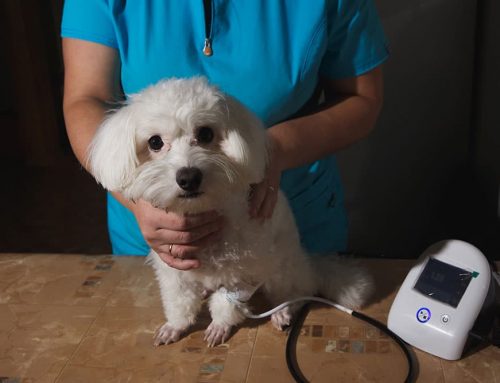
A deworming visit starts with a physical exam and a weight check, since dewormer doses are calculated by body weight and a growing puppy or kitten changes fast. We run a fecal test when it is indicated, then give the appropriate medication, most often as a flavored liquid, a small tablet, or a paste.
Our veterinarians match the medication to your pet’s age, weight, and whatever the testing points to. Most young patients breeze through it with nothing more than a slightly gurgly stomach or a little extra sleepiness for a day. Give us a call if you notice repeated vomiting, ongoing diarrhea, or a pet who seems genuinely unwell rather than just tired. If you see worms in the stool, dead or alive, after treatment- don’t panic. That’s normal.

Frequently Asked Questions About Early Deworming
Can I Just Use an Over-the-Counter Dewormer From the Pet Store?
Over-the-counter dewormers can help in a pinch, but they come with real limits. Most target only one or two types of worms, the dosing is easy to get wrong without an accurate weight, and none of them touch protozoa like coccidia and giardia. Without a fecal test, you are guessing at what your pet actually has. Testing first, then treating what shows up, is usually faster and kinder to your pet in the long run.
My Puppy Passed Worms After Treatment. Did the Dewormer Fail?
Seeing worms in the stool after a dose is completely normal and usually means the medication is doing its job by clearing the intestines. It is not a sign of failure. Not seeing them doesn’t mean it didn’t work, since many parasites are too small to see. What matters is finishing the full series, because each round targets the parasites that have matured since the last treatment. If you are still seeing worms once the whole schedule is complete, let us know so we can recheck a stool sample and adjust the plan.
Do Indoor Kittens Really Need Deworming?
Indoor kittens absolutely need deworming, because most parasite infections start before a kitten ever steps outside. Roundworms and hookworms pass from the mother during pregnancy and nursing, so a kitten can be infected on day one. Fleas that hitch a ride indoors can bring tapeworms along too. Indoor life lowers the ongoing risk, but it does not undo an infection your kitten was likely born carrying, which is why the early series still applies.
A Clean Start for Your New Puppy or Kitten
Protecting a new puppy or kitten from parasites comes down to three pieces that lean on each other: the early series of dewormers given every couple of weeks, monthly prevention that carries on year-round, and regular fecal testing to confirm it is all working. Skip any one of them and the other two lose much of their protection. Done together, they give your pet a genuinely clean, comfortable start.
If you have a new arrival at home, or an older puppy or kitten whose schedule you are unsure about, reach out and we will work out which doses are done, which are due, and what comes next.






Leave A Comment